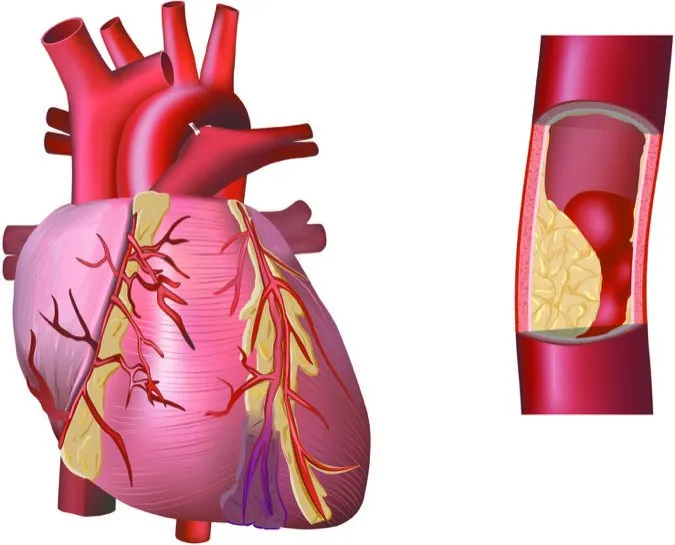
Yet about 30 percent of cardiac catheterizations performed in patients with stable coronary artery disease show evidence of a chronic total occlusion (CTO). In this situation, blood flow through a coronary artery has been totally blocked for more than three months. Studies have shown that when more than 10 percent of the heart muscle is affected by a CTO, the patient has a significantly higher risk of death or major adverse cardiac event. These patients often suffer from angina that is severe enough to impact their quality of life.
To continue reading this article or issue you must be a paid subscriber.
Sign in